


Introduction: The Ongoing Issue of Illegal Immigration in the USA
Illegal immigration continues to be one of the most contentious and complex issues in U.S. politics and society. The debate around immigration involves concerns about national security, economic stability, humanitarian rights, and the rule of law. Over recent years, the issue has evolved due to changing political landscapes, policy shifts, and global migration trends. This article explores the latest updates regarding illegal immigration in the USA, offering insights into recent trends, enforcement measures, political debates, and public opinion.
Recent Trends in Illegal Immigration
Increased Border Encounters in 2024
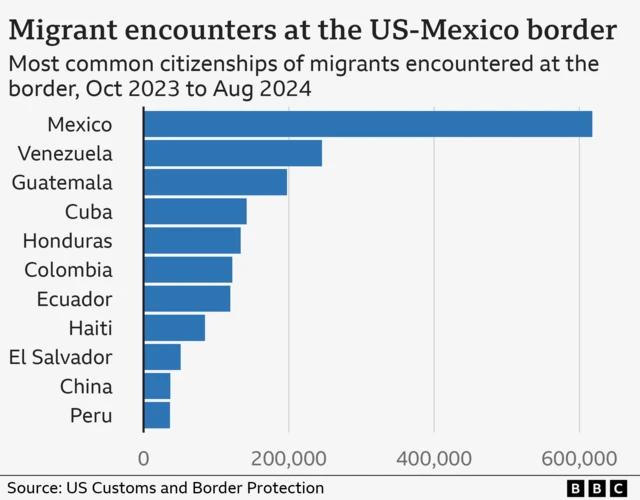
One of the most significant developments in recent months has been the rise in border encounters between U.S. Customs and Border Protection (CBP) officers and individuals attempting to cross into the U.S. illegally. In 2024, U.S. authorities reported a notable increase in the number of encounters with migrants, particularly at the U.S.-Mexico border. According to reports, the number of encounters surpassed 2 million by mid-2024, a stark increase from previous years.
This surge has been attributed to several factors, including economic hardship in Central America, ongoing political instability, and changes in U.S. immigration policy that have influenced migration patterns. Additionally, the humanitarian crises in countries like Honduras, Guatemala, and El Salvador continue to push people to seek refuge in the U.S., despite the dangers and challenges of the journey.
Impact of Recent Policy Changes
In recent months, there have been significant changes in U.S. immigration policy that have affected the flow of illegal immigration. The Biden administration has implemented measures aimed at both humanitarian relief and border enforcement, attempting to strike a balance between welcoming asylum seekers and curbing illegal crossings.
One of the most talked-about developments has been the expansion of asylum-seeker programs for certain nationalities, while simultaneously maintaining stronger enforcement at the border. The “Title 42” health order, a policy used during the pandemic to quickly expel migrants, was recently re-evaluated, with some restrictions being lifted in favor of more formal immigration processes.
The State of U.S. Border Security and Enforcement
New Measures and Technologies at the Border
The U.S. government has also been investing heavily in new technologies and measures to improve border security. In 2024, authorities began deploying advanced surveillance systems, including drones, infrared cameras, and AI-driven monitoring systems to track illegal crossings more efficiently. The use of smart walls – a combination of physical barriers and high-tech surveillance – has also expanded.
While critics argue that technology alone cannot fully address the issue of https://nejournal.us/, these tools are part of a broader strategy aimed at reducing illegal border crossings and enhancing the safety of border patrol officers.
The Role of Border Patrol and ICE
The U.S. Border Patrol and Immigration and Customs Enforcement (ICE) have played key roles in enforcement efforts. With the increased number of border encounters, both agencies have been stretched thin in terms of resources and personnel. Some of the most high-profile operations have involved detaining migrants at overcrowded detention centers, sparking debates about conditions and the treatment of detainees.
In recent months, calls for reform have intensified, as immigrant rights groups push for more humane treatment of migrants and for alternatives to detention, such as community-based monitoring systems.
The Political Debate: Immigration Reform in the U.S.
Bipartisan Efforts and Deadlocks
Immigration reform remains one of the most divisive issues in U.S. politics. While there have been calls from both political parties for comprehensive reform, bipartisan cooperation on this issue has been elusive. In 2024, efforts to introduce a comprehensive immigration bill in Congress were again stalled due to disagreements over border security measures, pathways to citizenship, and asylum policies.
Democrats largely support measures aimed at providing a pathway to citizenship for undocumented immigrants, especially those brought to the U.S. as children under the DACA program. Republicans, on the other hand, have focused on stricter border enforcement and limitations on immigration, citing national security concerns.
State vs. Federal Powers on Immigration Enforcement
Another key issue in the political debate is the ongoing struggle between state and federal authorities regarding immigration enforcement. In several states, including Texas and Florida, local governments have taken matters into their own hands, implementing their own border control measures and challenging federal policies.
The Supreme Court has become increasingly involved in determining the balance of power between federal and state authorities on immigration enforcement, especially as some states have passed laws allowing state law enforcement to assist with immigration duties.
Humanitarian Concerns and the Immigrant Experience
The Struggles of Migrants and Detention Centers
The journey for undocumented immigrants is fraught with peril. Many migrants face dangerous conditions as they travel through Central America, Mexico, and parts of South America, enduring harsh climates, limited resources, and threats of violence. Once at the U.S. border, many are detained in overcrowded conditions, often in facilities with inadequate medical care, food, and sanitation.
Advocacy groups have raised concerns about the treatment of immigrants, with many calling for greater transparency and oversight of detention centers. The detention of families and children has become a particularly controversial issue, with calls for alternative, humane solutions to detention being made.
The Role of Advocacy Groups in Addressing Immigrant Rights
Nonprofit organizations and immigration advocacy groups continue to push for the protection of immigrants’ rights and a fairer, more transparent immigration system. Groups like the American Civil Liberties Union (ACLU), United We Dream, and The American Immigration Council have worked to raise awareness about the challenges immigrants face and advocate for policy changes that prioritize the well-being and rights of migrants.
These organizations are also fighting against detention policies that they argue are inhumane and violate international human rights standards.
Economic Impacts of Illegal Immigration in the USA
Labor Market and Job Competition
Illegal immigration has a significant impact on the U.S. labor market, particularly in sectors like agriculture, construction, and hospitality, where undocumented workers often fill low-wage, labor-intensive jobs. Employers benefit from a steady supply of cheap labor, but concerns about job competition and wage suppression continue to dominate discussions about illegal immigration.
Some argue that undocumented workers contribute significantly to the economy by performing jobs that many U.S. citizens are unwilling to do. Others contend that illegal immigration puts downward pressure on wages, especially for low-skilled American workers.
Costs to the U.S. Government and Taxpayers
The financial burden of illegal immigration is another aspect frequently debated. The U.S. government spends billions of dollars annually on border security, enforcement, and healthcare, education, and welfare services for undocumented migrants. While some argue that illegal immigrants pay taxes and contribute to the economy, others highlight the costs associated with public services and the strain on social programs.
Illegal Immigration and Public Opinion
How Americans Feel About Immigration Reform
Public opinion on illegal immigration is deeply divided, with some Americans supporting more open immigration policies and others calling for stronger border security. Polling data suggests that a majority of Americans favor some form of immigration reform, but there is less consensus on whether that reform should include amnesty, stricter border control, or enhanced pathways to citizenship.
Media Coverage and Public Perceptions of Illegal Immigration
The media plays a significant role in shaping public perceptions of illegal immigration, often highlighting the humanitarian crises at the border or the political gridlock in Washington, D.C. Depending on the outlet, illegal immigration can be portrayed as either a human rights issue or a national security threat, further polarizing opinions.
Looking Ahead: What’s Next for Immigration Policy in the USA?
The future of immigration policy in the U.S. remains uncertain. With an election year looming, immigration will undoubtedly remain a hot-button issue. As political parties continue to clash over solutions, it’s likely that immigration reform will stay at the forefront of national debates.
Conclusion: Addressing the Complexities of Illegal Immigration
Illegal immigration in the USA is a complex, multifaceted issue that requires a balanced approach. It touches on national security, humanitarian rights, economic concerns, and the need for comprehensive reform. As trends evolve and challenges persist, it is crucial that policymakers address the root causes of illegal immigration and find practical solutions that respect both the rights of migrants and the laws of the country.